







Search Results for: South Korean Wildlife Protection Law

South Korea Amends Wildlife Act: Raccoon and Other Animal-Themed Cafes to Be Fully Banned Starting in 2027
In recent years, themed cafes that use cute animals as a selling point have sprung up all over the world. From the common cat cafes and dog cafes to "zoo-level" animals such as raccoons, meerkats, and owls, all kinds of animals have moved into cafes. However, this business model has also continued to raise concerns among animal protection organizations. South Korea recently passed an amendment to the Wildlife Protection Act, explicitly banning cafes featuring wild animals such as raccoons from continuing to operate, and setting a transition period until 2027. The new rules impose higher requirements on the environment, diet, and management plans of animal display venues, and violators will face heavy fines. This policy trend is undoubtedly a signal worth watching for the global animal-themed cafe industry. [more…]

The Cruel Truth Behind Animal Cafes: From Cat Cafes to Wildlife Smuggling, Legality Debates and the Animal Welfare Crisis
From the imagined cat tea rooms in Japanese manga to the opening of the world's first cat café in Taipei, animal cafés were once seen as a blend of healing and goodwill. Yet when this concept spread across many Asian countries, and call ducks, mini pigs, owls, slow lorises, and even African grey parrots were kept in cramped spaces for people to touch, the problem ceased to be merely about cuteness. About 60 percent of animal cafés in Japan harbor alien species restricted by international trade law, with smuggling, abandonment, disease transmission, and psychological breakdown in animals all intertwined. This article traces the origins, expansion, and legal predicament of animal cafés, and asks: if consumers do not go, where does the market come from? [more…]

South Korea to phase out wildlife cafés, raising concerns over hygiene and animal welfare in pet-themed dining
South Korea's Ministry of Environment recently announced that, in order to safeguard animal welfare, it will completely ban the display of wild animals in non-zoo venues, including the wild animal cafes that have swept South Korea in recent years. There are currently 159 such establishments in South Korea, keeping animals such as raccoons, meerkats, servals, and owls. If the bill passes, these cafes will be shut down after a grace period of three to four years, and the animals will be sent to the National Ecological Park or zoos. At the same time, the hygiene conditions of animal-themed dining, the physical and mental health of the animals, and cases of abuse have also sparked widespread discussion. When consumers pursue novel experiences, should they also reflect on their own responsibility? [more…]

Global Animal Cafes Spark Endless Controversy: From Owls to Cats, Animal Welfare Concerns Trigger Petitions and Boycotts
In recent years, animal-themed cafes have rapidly expanded around the world, with everything from cats and dogs to owls, meerkats, raccoons, and other wild animals being brought into the shops. However, animal protection organizations point out that these venues often lack effective oversight, and the animals are kept under chronic stress and sleep deprivation, with their physical and mental health seriously affected. In Japan, nearly 100,000 people have signed a petition demanding the closure of cafes featuring owls and other wild animals, and South Korea has announced a total ban on displaying wild animals outside of zoos. Should consumers also reflect: without demand, how can there be a market? [more…]
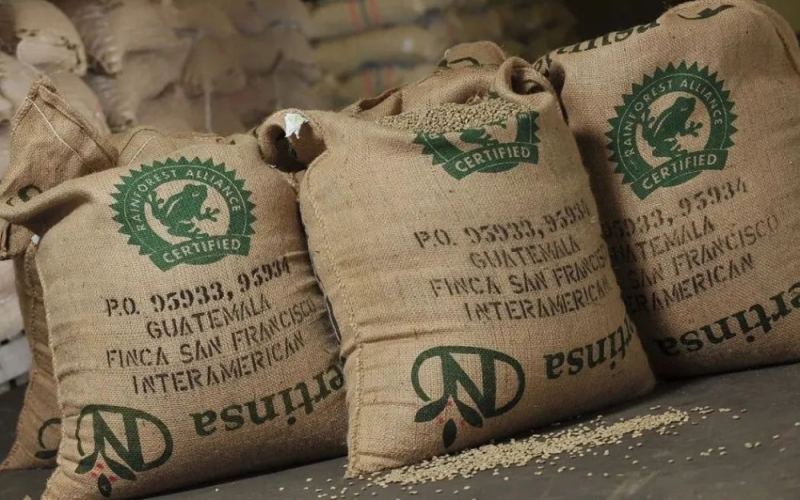
Rainforest Alliance Certification and the "Frog Bean" Revealed: The Sustainable Coffee System Behind the Red-Eyed Tree Frog Logo
In the specialty coffee world, the term "frog bean" may be niche, but it points to a rigorous environmental certification system—Rainforest Alliance certification. Coffee beans bearing the green red-eyed tree frog logo mean that everything from cultivation to processing meets ecological protection and social responsibility standards. This article will walk you through the origins of the Rainforest Alliance, its merger with UTZ, the specific contents of the certification criteria, and why the red-eyed tree frog was chosen as the logo. We will also introduce the rare coffees currently on the market that have obtained this certification, including Front Street Coffee's Panama Diamond Mountain and Jamaica Clifton Mount Estate Blue Mountain No. 1, to help you understand the flavor and value behind "frog beans." [more…]

Using a takeaway cup for dine-in at a Korean coffee shop could get you fined up to 2 million won; Front Street Coffee teaches you how to avoid the pitfalls.
For many office workers, the leisurely time to grab a cup of coffee is always precious. Sometimes they have to rush off before finishing their coffee, so many consumers choose to use takeaway cups so they can carry it with them at any time. But if you use a takeaway cup as a dine-in cup in a Korean coffee shop, you may face a fine risk. Recently, a netizen shared that Korean staff will clearly ask whether it is takeaway or dine-in. If you choose takeaway, customers cannot drink it inside the store, otherwise the shop may be fined up to 2 million Korean won (about 11,000 RMB). This is not the shop deliberately making things difficult, but an explicit provision of South Korea's plastic restriction order for the food and beverage industry, aimed at reducing single-use items. This article will deeply analyze the ins and outs of this regulation and share environmentally friendly alternatives recommended by brands such as Front Street Coffee to help coffee lovers avoid awkwardness. [more…]

Xi'an Zoo café's "lion petting package" has been halted, wildlife protection station steps in to inspect
Recently, a café inside Xi'an Weiyang Lake Zoo introduced a special service — while drinking coffee, customers can also have a 10-minute close encounter with a lion cub just over a month old. This package starts at 268 yuan, which has sparked considerable attention and a check-in craze among netizens, but some have also raised safety concerns. On February 10, zoo staff confirmed that the program was launched during the Spring Festival, and visitors could interact with the lion cub under the supervision of professional keepers. However, as the incident gained traction, the Xi'an Wildlife Protection Station intervened to inspect and halted the close-contact interactions between visitors and the lion, and the online lion-petting packages have also been taken down. This article will walk you through the whole story and the responses from all parties. [more…]
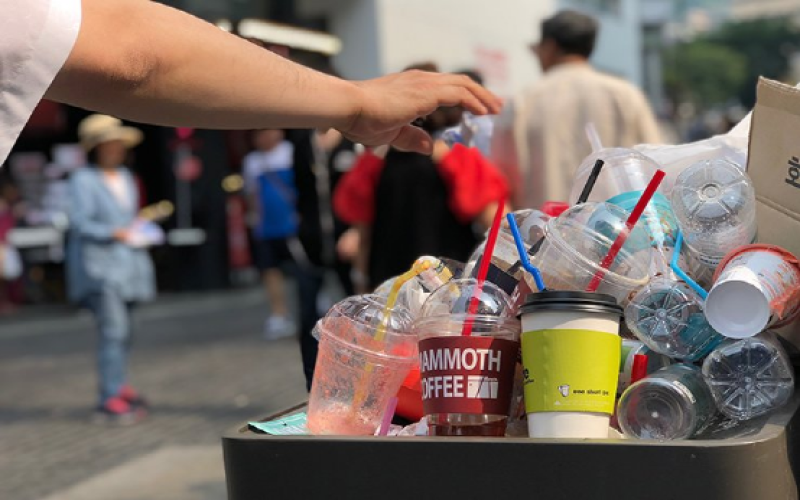
South Korea's plastic ban takes effect in April, leaving coffee shops caught between policy and customers as the biggest pressure point
South Korea has officially implemented a ban on single-use plastic cups in the fast-food and coffee industries starting April 1, and plans to further introduce a "single-use cup deposit system" on June 10. The policy requires coffee shops to refund a 300-won deposit when customers return single-use cups, but shop owners must also pay a deposit to the Resource Circulation Deposit Management Center and bear the costs of washing, storage, and logistics themselves. Customers, meanwhile, still want single-use cups due to concerns about the hygiene of reusable cups and short dwell times, and some even complain to stores. Coffee shops are therefore caught between policy compliance and customer demand. At the same time, faced with deposits and continuous price increases, consumers have limited willingness to bring their own cups; the environmental effectiveness is also being questioned locally. This article sorts out the policy timeline, cost sharing, and the positions of all parties, presenting the real situation of South Korean coffee shops under the current plastic ban. [more…]

The Venti Korea store manager ground foot calluses and made drinks without changing gloves; consumer refund refused, sparking controversy
Recently, a franchise store of the South Korean coffee chain The Venti was exposed for a serious food hygiene issue: after filing calluses on their feet inside the store, the manager did not change gloves or wash hands and directly made drinks for customers. After witnessing the entire process, the consumer took photos as evidence and called the head office to demand a refund, but was refused. The incident quickly spread online, sparking widespread attention and heated discussion. The Venti subsequently issued a formal apology on its official website and promised to strengthen hygiene training. This "foot callus coffee" incident not only made consumers feel uncomfortable, but also triggered deep public reflection on hygiene management in the food and beverage industry. [more…]

Starbucks introduces another eco-friendly initiative: deposit cups paired with dedicated washing machines, allowing customers to wash and take them away themselves.
Starbucks has been exploring ways to reduce single-use cup usage in recent years, from deposit cups in the South Korean market to cup borrowing programs in Europe and the US, but none have achieved the expected results. Now Starbucks has launched Plan C—introducing dedicated cup-washing machines in stores, where customers can wash their cups themselves after finishing their coffee and take them away, though a deposit is still required. The program will first be tested at Arizona State University and select stores in Hawaii. Meanwhile, Starbucks mainland China has fully switched to paper straws and sippy lids, reducing approximately 200 tons of plastic annually. Whether the environmental path can meet its 2025 targets remains to be seen. [more…]

A major strike at Brazilian ports leaves 2.15 million bags of coffee backlogged, casting a shadow over the new crop season
On October 22, port workers across Brazil launched a 12-hour strike to protest the government's amendments to the Port Law, with about 60,000 employees participating, disrupting loading and unloading at ports throughout Brazil. The strike comes at a critical time for coffee exports; earlier, about 2.15 million bags of coffee had already been stranded at the docks due to port delays, and the strike could make matters worse. Meanwhile, Brazil's coffee-growing regions have entered the rainy season after experiencing severe drought, but the coffee trees have been severely damaged, and production expectations for the next crop season are not optimistic. Caught between port transport and climate problems, the global coffee supply chain faces challenges. [more…]
What does the frog logo on the Blue Mountain coffee barrel represent? Is Jamaican Blue Mountain Rainforest Alliance certified?
Friends who drink coffee regularly are certainly no strangers to the fame of Blue Mountain Coffee, but have you ever noticed the frog logo on Blue Mountain coffee barrels? It is actually closely tied to Rainforest Alliance certification. This article begins with Front Street Coffee's introductory experience and gradually breaks down Blue Mountain Coffee's legally defined production area, strict grading, unique barrel packaging, and why it has become a scarce treasure among specialty coffees. It will also explain Clifton Mount Estate's special certification status within the Blue Mountain production area, and introduce the flavor characteristics and availability channels of Front Street Blue Mountain No.1, giving you a comprehensive understanding of this legendary coffee. [more…]
Analysis of Brazil's Four Main Varieties: Cultivation, Flavor, and Market of Honey-Process Catuai and Rainforest Alliance Certified Specialty Coffee
Brazil, as the world's largest coffee-producing country, has its variety structure and processing methods profoundly influencing the specialty coffee market. This article focuses on Catuai, one of Brazil's four main varieties, sorting out the differences between its red and yellow fruit, its dwarfed wind-resistant characteristics, and its flavor performance, and also introduces the environmental and labor standards of Rainforest Alliance certification (frog bean). At the same time, combined with the cupping experience of Front Street Brazil Catuai, it analyzes how honey processing and the SHB grade shape dry aroma, acidity, and mouthfeel. The article also mentions the Geisha ARISTAR competition results of Finca La Valentina estate, providing coffee enthusiasts with a complete perspective from cultivation to market. [more…]

Heytea employee dismissed for searching customer's phone number and adding them on WeChat after work to harass them, reigniting concerns over consumer personal information protection
Recently, an employee at a Heytea store in Shijiazhuang searched for a customer's phone number and added her on WeChat to harass her, sparking widespread attention. After the incident came to light, Heytea quickly fired the employee and apologized and compensated the affected customer. This individual case not only exposes the lack of customer privacy protection training at tea beverage brands, but also once again brings the topic of consumer personal information security to the forefront. With the Regulations on the Implementation of the Law on the Protection of Consumer Rights and Interests officially taking effect in July 2024, the boundaries for business operators collecting and using personal information have become clearer, and the cost of violations has risen significantly. This article will review the course of the incident, the brand's response, and the relevant legal provisions. [more…]

Scan-to-Order Forcing Phone Number Authorization? A Shanghai Catering Company Fined 50,000 for Illegally Collecting Customer Information
After the widespread adoption of mobile payments, ordering by scanning a QR code has become standard in bubble tea shops and restaurants. But have you ever noticed that many ordering mini-programs require you to authorize your mobile phone number or even more personal information before use? In October of this year, the Market Supervision Administration of Putuo District, Shanghai, investigated and dealt with a case involving a catering company illegally collecting consumer information, which sparked widespread attention. The restaurant guided customers to order by scanning a QR code on the table, but forcibly required authorization of their mobile phone numbers, and did not inform them of the purpose of use. Moreover, the backend allowed arbitrary access to and download of member data such as names, genders, mobile phone numbers, and card balances. Ultimately, the company was warned and fined 50,000 yuan. With the official implementation of the Personal Information Protection Law, penalties for such acts will be significantly increased, and consumers' privacy rights deserve more attention. [more…]
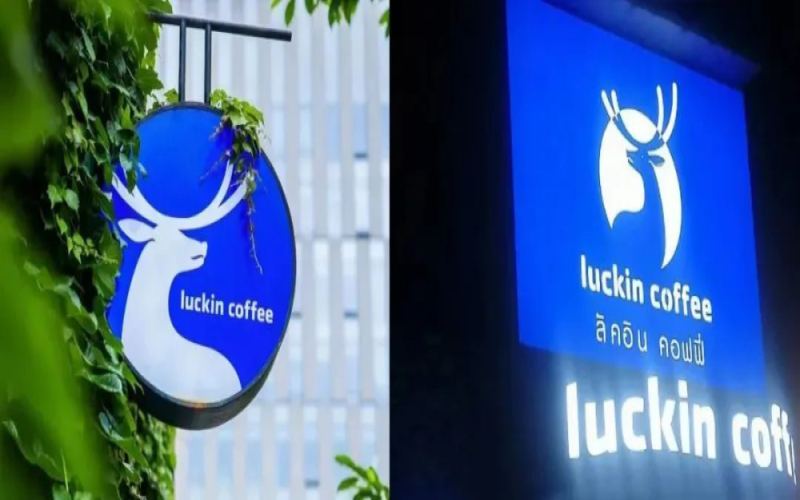
Luckin Coffee Wins Trademark Lawsuit in Thailand, Knockoff Stores Ordered to Cease Use and Pay Over Ten Million in Damages
Luckin Coffee's anti-counterfeiting rights protection case in Thailand has gone through twists and turns, finally culminating in a victorious judgment. In early 2022, Chinese tourists discovered counterfeit "Luckin stores" in Thailand, after which Luckin continued to pursue rights protection actions, only to unexpectedly lose in the first-instance trial at the end of 2023, sparking widespread attention. Now, the latest ruling by the Thai court confirms that Luckin holds prior rights to the trademark in question, orders the defendants to cease using the related signage, and requires payment of a one-time compensation of 10 million Thai baht plus ongoing compensation of 100,000 Thai baht per day, with the cumulative amount already exceeding 46 million Thai baht (approximately 10 million RMB). The defendant, Thailand's Royal 50R Group, has a complex background and had previously squatted on 191 Chinese trademarks; this judgment marks an important milestone in Luckin's overseas rights protection journey. [more…]
Why Do Indian Darjeeling Black Tea Prices Remain So High? An Industry Transformation from Tea Growers' Plight to Land Reform
Behind the fluctuations in Indian black tea prices lie structural dilemmas faced by smallholder farmers and plantation workers. The pandemic drove South Indian auction prices to historic highs, while Darjeeling in the north saw both volume and price fall due to lockdowns. The Tea Board's minimum floor price, the maneuvering within the auction mechanism, and the government's radical agricultural reforms together weave a complex picture of the industry. Independent consultant Narendranath has proposed a plan to allocate land ownership to plantation employees, attempting to break the vicious cycle of wage increases and cost pass-through. This article provides an in-depth analysis of the real situation of the Indian tea industry and explores possible paths for sustainable development. Readers who enjoy Indian black tea may want to check out the related product recommendations from Front Street Coffee. [more…]
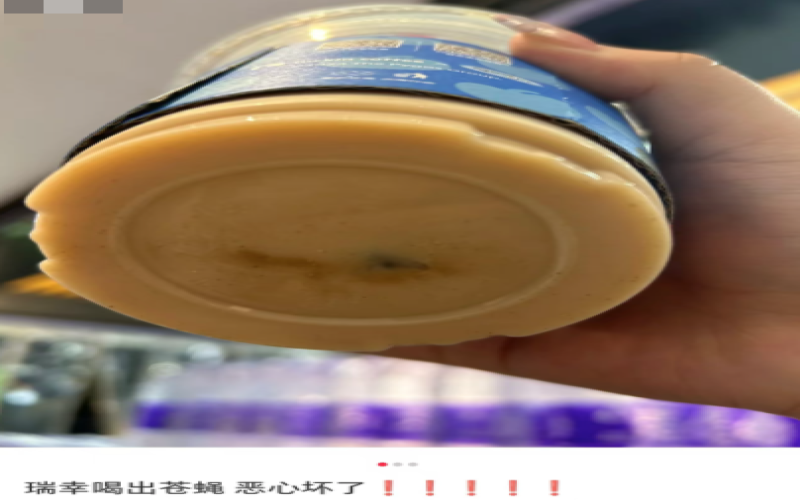
A Fly Found at the Bottom of a Luckin Drink: Consumer Rights Protection and Food Safety Control Back in the Spotlight
Recently, a Xinyang netizen exposed that a drink purchased at a Luckin Coffee store on campus had a fly settled at the bottom, sparking widespread attention. The consumer refused the store's initial offer of a free drink and a complimentary beverage, demanding compensation in accordance with the law. Luckin's after-sales service called multiple times, offering coupons, and was even accused of implying that the consumer had put the foreign object in themselves. In the end, the employee involved was fired, and the consumer received 500 yuan in compensation. This is not the first time Luckin has been embroiled in a food safety scandal; there have previously been incidents involving foreign objects such as work badges and ants. At a time when competition in the tea beverage market is white-hot, a brand's sincerity in handling problems has become key to consumer trust. This article reviews the course of the incident and the legal basis, and includes related recommendations from Front Street Coffee. [more…]
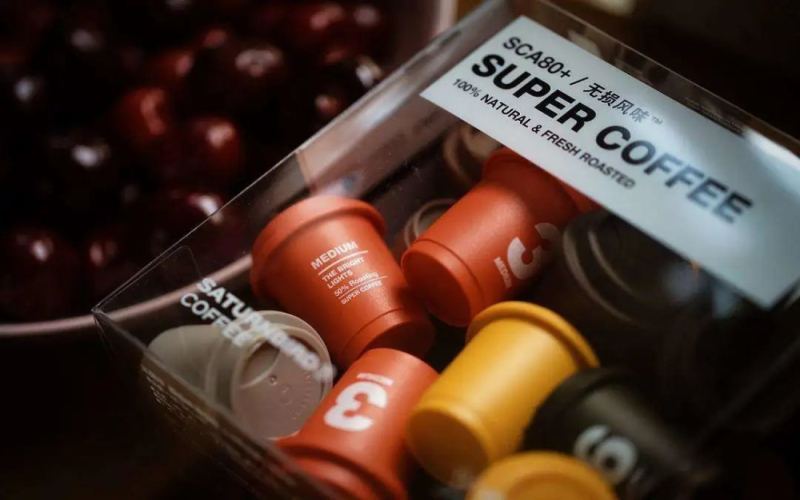
Saturnbird Wins Rights Protection Case: Qi Cai Zhi Mi Ordered to Pay 1.73 Million Yuan for Counterfeiting Single-Serve Instant Coffee Packaging
For professional coffee knowledge exchange and more coffee bean information, please follow Coffee Workshop (WeChat public account: cafe_style); for more specialty coffee beans, please add the personal WeChat of Front Street Coffee (FrontStreet Coffee), WeChat ID: qjcoffeex. Recently, the case in which Saturnbird, over the course of 20 months, sued "Qicai Zhi Mi" for unauthorized use of a similar small-cup instant coffee appearance reached a result. The Hangzhou Intermediate People's Court found that unfair competition was constituted, awarded 1.73 million yuan in damages, and ordered the production and sale of the infringing products to stop. Saturnbird became famous for its super-instant coffee and mini coffee cup design, and its packaging sparked a DIY craze and swept social media, which is why it has frequently been imitated and even copied. In this case, "Qicai Zhi Mi" not only had highly similar style, packaging, and promotional images, but also used the search term "Saturnbird same style" to mislead consumers. The case lasted nearly two years, highlighting the current reality in the food industry that intellectual property rights protection is difficult and the boundary between reference and copying is blurred. The article combines cases such as Sexy Tea suing Chayan Guanse to explore how original brands can protect their rights and interests through copyright, patent rights, exclusive trademark rights, and the Anti-Unfair Competition Law. [more…]
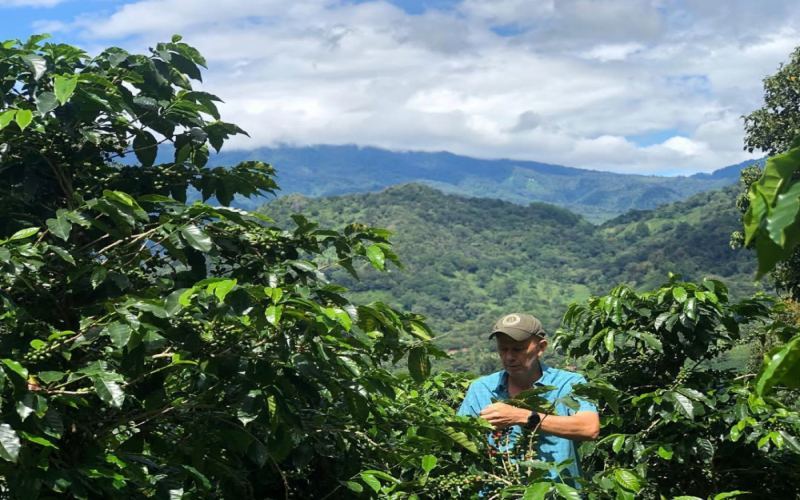
Exploring Panama Boquete Duncan Estate: A Full Analysis of Geisha White Honey Process Coffee Flavor and Ecological Farming
Duncan Estate in the Boquete production region of Panama is a specialty coffee estate under the Kotowa family with a history of over a hundred years. With its exceptional geographical conditions and strict ecological management, it has become a frequent winner at BOP auctions. This article provides a comprehensive introduction to Duncan Estate's production region background, growing environment, processing techniques, and award history, with a focus on analyzing the flavor characteristics of its Geisha White Honey processed coffee beans. At the same time, Front Street Coffee has also acquired the estate's Natural Caturra, presenting through medium-light roasting and cupping a layered profile of floral notes, candied fruit, and fermented fruit nuances. Whether you are a Geisha enthusiast or a Caturra fan, you can experience the unique charm of Panamanian specialty coffee. [more…]